We launched ModafVibe because we were tired. Tired of algorithms burying posts from people we actually followed. Tired of privacy policies that needed a law degree to understand. Tired of platforms treating creators like content factories instead of actual humans. So we built our own social media platform. This is the honest story of how we did it, what it actually cost, and the mistakes we would fix if we could start over.
The Tech Stack Without the Fancy Jargon
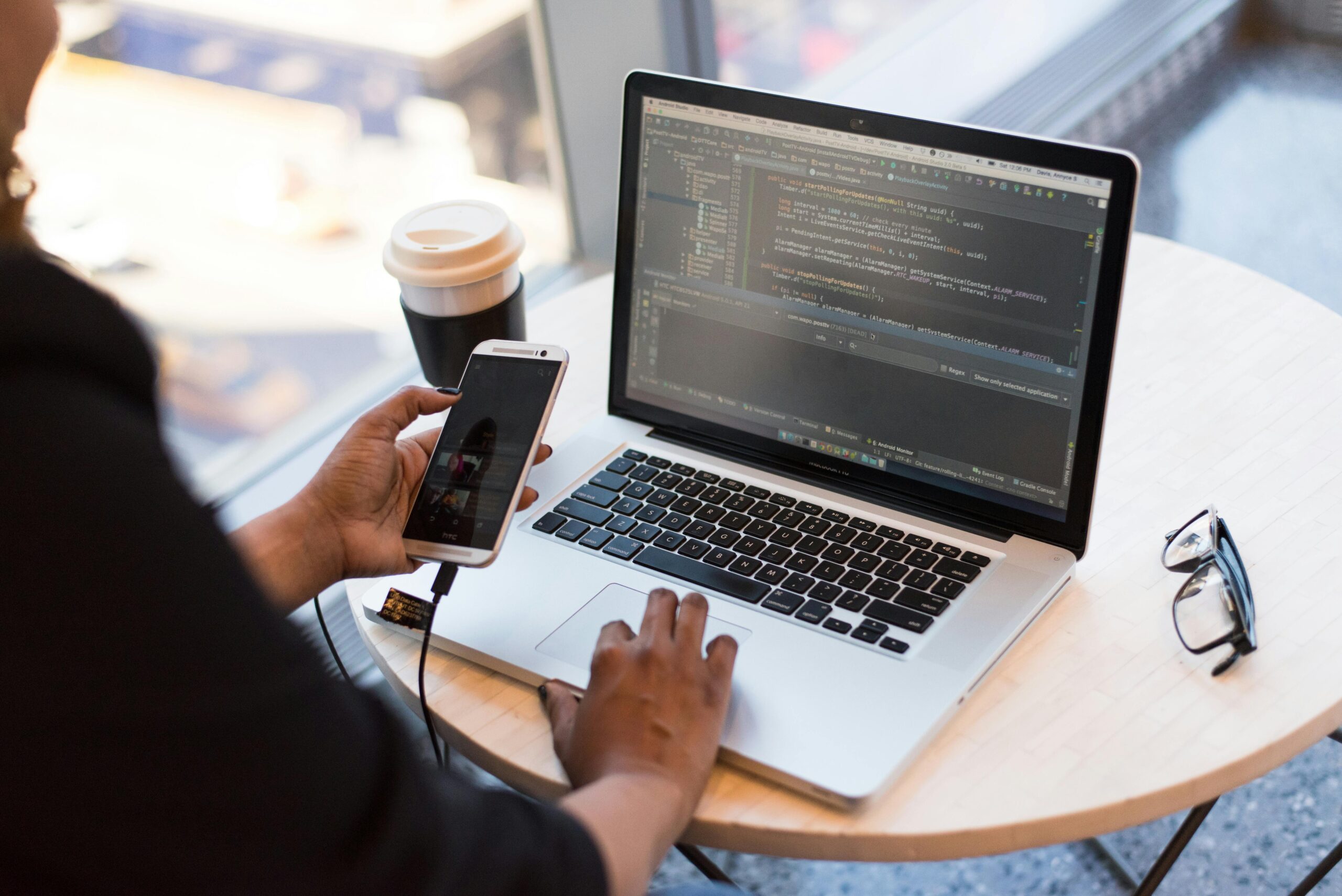
We kept things deliberately simple. Backend is PHP with Laravel. Why? Because we knew it well, not because it is trendy. When you are building something real, stick with what you can debug at 2 AM without Googling every single error. That decision saved us countless times.
Database is MySQL. We debated MongoDB early on. Social media apps seem like they would love a NoSQL database. But relationships matter deeply in a social network. Who follows whom. Who liked what. Who commented where. MySQL handles that naturally. We learned this the hard way after a weekend prototype with MongoDB turned into a mess of duplicate data that took days to clean up.
Frontend is vanilla JavaScript with some Vue.js sprinkled where things got properly interactive. Nothing heavy at all. Our users in Nigeria told us loud and clear: the app needs to work on a modest Android phone with patchy 3G. We listened carefully. Hosting started on a twelve dollar DigitalOcean droplet. Do not overthink hosting before you actually have users. We nearly wasted two hundred dollars monthly on managed hosting before our first hundred signups. Glad we caught ourselves.
The Real Costs Everyone Asks About
- Domain: twelve dollars yearly
- SSL certificate: completely free through Let’s Encrypt
- Initial hosting: twelve dollars monthly
- Logo design: sixty dollars from a designer we found on Twitter
- Basic UI screens: one hundred fifty dollars
- Total cost to launch: under two hundred fifty dollars
But that is only the money part. The real cost was time. Three months of late nights. Two abandoned weekend plans. Countless arguments about features we did not actually need. If you are reading this thinking about building your own platform, budget your energy far more carefully than your money.
Three Things We Would Do Differently
First, launch sooner with much less. We spent six weeks perfecting the signup flow. Six entire weeks. Nobody cares about your signup flow if the core experience is not useful. Ship a basic version. Watch how people actually use it. Then improve what genuinely matters. We could have been live two months earlier.
Second, talk to actual users earlier. We built features we assumed creators wanted. Turns out what they actually wanted was simpler things. A visible share count. Easy DM access. And a feed that showed posts in chronological order. Not chronological with exceptions. Just plain chronological. We would have known all this in week one if we had simply asked real people.
Third, write this blog from day one. We completely underestimated how much trust a transparent blog builds. When people search whether ModafVibe is legitimate, they find this post. When they wonder who is behind the platform, they read our story. Start documenting publicly from the day you write your first line of code. Future you will thank present you.
What We Actually Got Right
Not everything was a mistake worth regretting. We prioritized privacy controls that are genuinely easy to use. We made the block button prominent and obvious, not buried inside three separate menus. We chose not to auto-play videos because honestly, nobody actually likes that feature anywhere. And we stayed independent. No venture capital. No outside pressure to squeeze users for ad revenue we do not need. That freedom means we can build exactly what our community asks for, not what distant investors demand on a spreadsheet.
We built ModafVibe for people who want a social space that respects them. Come see what we made. We are the ones in the comments replying to feedback ourselves.